
In today’s rapidly evolving digital landscape, new concepts and systems are constantly emerging to improve efficiency, streamline workflows, and enhance decision-making. One such term gaining attention is cñims. While it may sound unfamiliar to many, cñims represents a modern approach to managing complex information systems in a structured and intelligent way.
This article explores what cñims is, how it works, its core features, and why it is becoming increasingly relevant across industries. Whether you are a beginner trying to understand the basics or someone looking for practical insights, this guide will provide a clear and reliable overview.
What is cñims?
cñi refers to a centralized and intelligent management system designed to handle data, processes, and workflows within an organization. It integrates multiple functions into a unified platform, allowing users to monitor, analyze, and optimize operations efficiently.
At its core, cñim focuses on simplifying complex systems. Instead of using multiple disconnected tools, it brings everything together in one place. This reduces confusion, improves accuracy, and helps organizations make better decisions based on real-time data.
Why cñims is Gaining Popularity

The increasing adoption of cñims is not accidental. Businesses and organizations are constantly searching for ways to improve productivity and reduce operational costs. cñims offers several advantages that make it appealing:
Improved Efficiency
By centralizing data and processes, cñis eliminates duplication and reduces manual work. Tasks that once required hours can now be completed in minutes.
Better Decision-Making
With access to accurate and up-to-date information, managers can make informed decisions quickly. This reduces risks and improves outcomes.
Scalability
As organizations grow, their systems must grow with them. cñims is designed to scale, making it suitable for both small businesses and large enterprises.
Key Features of cñims
Understanding the features of cñim helps in appreciating its value. Below are some of the most important aspects:
Centralized Data Management
cñims stores all relevant information in a single system. This ensures that data is consistent, accessible, and easy to manage.
Automation Capabilities
Automation is a major strength of cñim. Routine tasks such as data entry, reporting, and notifications can be automated, saving time and reducing human error.
Real-Time Analytics
One of the most powerful features of cñim is its ability to provide real-time insights. Users can monitor performance, identify trends, and respond quickly to changes.
User-Friendly Interface
Despite handling complex operations, cñim is designed with usability in mind. A clean and intuitive interface ensures that users can navigate the system easily.
How cñims Works
To understand how cñim operates, it is helpful to break it down into simple steps:
Data Collection
cñim gathers data from various sources within an organization. This may include internal systems, external platforms, and user inputs.
Data Processing
Once collected, the data is processed and organized. Advanced algorithms may be used to analyze patterns and generate insights.
Integration
cñim integrates with existing tools and systems. This ensures a smooth transition and allows organizations to continue using their preferred platforms.
Output and Reporting
Finally, the system presents the processed data in a clear and actionable format. Reports, dashboards, and visualizations make it easier to understand complex information.
Practical Applications of cñims
cñim is versatile and can be applied in various fields. Here are some common use cases:
Business Management
Companies use cñim to manage operations, track performance, and improve efficiency. It helps in coordinating different departments and ensuring smooth workflows.
Healthcare Systems
In healthcare, cñis can be used to manage patient data, appointments, and medical records. This improves patient care and reduces administrative burden.
Education Sector
Educational institutions can use cñim to manage student information, track progress, and streamline administrative tasks.
Government and Public Services
Government agencies can benefit from cñis by improving transparency, efficiency, and service delivery.
Benefits of Using cñims
Adopting cñims offers several tangible benefits:
Time Savings
Automation and centralized systems significantly reduce the time required to complete tasks.
Cost Reduction
By improving efficiency and reducing errors, cñis helps organizations save money in the long run.
Enhanced Collaboration
With all information in one place, teams can collaborate more effectively. This leads to better communication and improved results.
Increased Accuracy
Automated processes and real-time data reduce the likelihood of mistakes, ensuring more reliable outcomes.
Challenges and Considerations
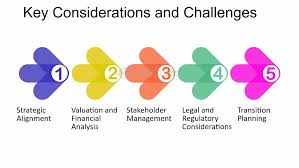
While cñims offers many advantages, it is important to be aware of potential challenges:
Initial Setup
Implementing cñis may require time and resources. Organizations need to plan carefully to ensure a smooth transition.
Training Requirements
Users may need training to fully understand and utilize the system. Proper guidance can help overcome this challenge.
Data Security
Since cñim handles sensitive information, strong security measures are essential. Organizations must ensure that data is protected at all times.
Future of cñims
The future of cñis looks promising. As technology continues to evolve, these systems are expected to become even more advanced. Artificial intelligence and machine learning will likely play a bigger role, enabling smarter decision-making and predictive analysis.
Moreover, as more industries recognize the value of integrated systems, the adoption of cñim is expected to grow. This will lead to continuous improvements and innovations in the field.
Conclusion
cñis represents a modern solution to managing complex systems and data. By combining automation, real-time analytics, and centralized management, it helps organizations operate more efficiently and make better decisions.
While there are challenges to consider, the benefits far outweigh the drawbacks. With proper implementation and training, cñis can transform the way businesses and institutions operate.
As the demand for smarter and more efficient systems continues to rise, cms is set to play a crucial role in shaping the future of digital management.
FAQs
What does cñims stand for?
cñim is generally referred to as a centralized and intelligent management system that integrates data, processes, and workflows into a single platform for better efficiency.
Is cñims suitable for small businesses?
Yes, cñims is scalable and can be adapted to meet the needs of small businesses as well as large organizations. It helps improve efficiency regardless of company size.
How secure is cñims?
cñims systems are designed with security in mind, including data encryption and access controls. However, organizations must also implement proper security practices.
Can cñims integrate with existing tools?
Yes, one of the key features of cñims is its ability to integrate with existing systems, allowing organizations to continue using their current tools.
What industries can benefit from cñims?
cñims can be used across multiple industries including business, healthcare, education, and government services, making it a versatile solution for various needs.
