

The Portuguese expression dado à is widely used in everyday communication, yet it often confuses learners and even intermediate speakers. Whether you encounter it in conversations, literature, or formal writing, understanding how dado à works can significantly improve your fluency and comprehension.
This article explores the meaning of dado à, its grammatical structure, common contexts, and practical examples. By the end, you’ll feel confident using this expression naturally and correctly.
What Does “dado à” Mean?
At its core, dadoà is a Portuguese expression that conveys a tendency, inclination, or predisposition toward something. It is often used to describe a person’s habits, personality traits, or behaviors.
In English, dadoà can be translated as:
- “prone to”
- “inclined to”
- “given to”
For example:
- Ele é dad à leitura.
He is inclined to reading. - Ela é dada à dramatização.
She tends to dramatize things.
The expression highlights a recurring behavior or natural tendency rather than a one-time action.
Grammatical Structure of “dado à”
Understanding how dado is formed helps you use it correctly in sentences.
Basic Structure
The expression follows this pattern:
- dado (or dada / dados / dadas) + à / ao + noun or verb
The word dado grees in gender and number with the subject:
- dado → masculine singular
- dada → feminine singular
- dados → masculine plural
- dadas → feminine plural
Examples:
- Ele é dado o exagero.
- Ela é dada à organização.
- Eles são dados ao risco.
- Elas são dadas à arte.
Preposition Usage
The preposition changes depending on the noun:
- à is used with feminine nouns
- ao is used with masculine nouns
Examples:
- dado música (music is feminine)
- dado o esporte (sport is masculine)
Common Contexts Where “dado à” Is Used
Personality Traits
One of the most common uses of dadoà is to describe personality traits or behavioral tendencies.
Examples:
- Ele é dado honestidade.
- Ela é dada à gentileza.
This use is especially helpful in both formal and informal descriptions of people.
Habits and Lifestyle
The expression is also used to describe habits, whether positive or negative.
Examples:
- Ele é dado o consumo de café.
- Ela é dada a exercícios diários.
This makes dado useful in health, lifestyle, and self-improvement discussions.
Emotional or Behavioral Tendencies
You can use dadà to describe how someone typically reacts or behaves emotionally.
Examples:
- Ele é dado irritação.
- Ela é dada ao pessimismo.
This usage is common in psychological or descriptive writing.
Practical Examples in Daily Communication
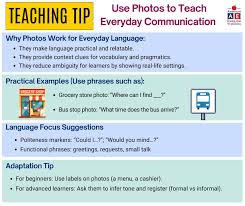
To truly understand dado à, it helps to see it used in realistic contexts.
In Conversations
- Não sou dad a discussões.
- Ele é dadoa exagerar nas histórias.
In Professional Settings
- O candidato é dado à colaboração em equipe.
- Ela é dada à liderança natural.
In Writing and Literature
- O personagem é dadoà introspecção.
- Era um homem dado o silêncio.
These examples show how versatile the expression can be across different contexts.
Differences Between “dado à” and Similar Expressions
Portuguese offers several ways to express tendencies. Understanding the differences helps you choose the most appropriate phrase.
“dado à” vs “costumar”
- dado à describes a natural inclination
- costumar refers to habitual actions
Examples:
- Ele é dado leitura (he enjoys or is inclined to read)
- Ele costuma ler (he usually reads)
“dado à” vs “ter tendência a”
Both are similar, but dado often sounds more natural and concise.
- Ela tem tendência a reclamar
- Ela é dada à reclamação
The second version is often preferred in more polished or formal contexts.
When to Use “dado à” in Formal Writing
The expression dado is widely accepted in formal Portuguese, making it suitable for:
- Academic writing
- Professional reports
- Descriptive essays
Examples:
- O autor é dado análise crítica.
- A comunidade é dada à cooperação social.
Its concise structure makes it ideal for formal descriptions without unnecessary repetition.
Common Mistakes to Avoid

Even though dado à is simple, some common mistakes can affect clarity and correctness.
Incorrect Gender Agreement
Incorrect:
- Ela é dado organização
Correct:
- Ela é dada à organização
Always match dado with the subject.
Wrong Preposition
Incorrect:
- Ele é dado esporte
Correct:
- Ele é dado o esporte
Remember to match the article with the noun’s gender.
Overuse in Informal Speech
While dado is correct, overusing it in casual conversation may sound slightly formal. In everyday speech, simpler alternatives are often used.
Tips to Master “dado à”
Practice with Real-Life Examples
Try describing people you know:
- Meu amigo é dado o humor
- Minha irmã é dada à criatividade
Combine with Different Nouns
Experiment with various contexts:
- dado à tecnologia
- dado à música
- dado ao estudo
Read and Listen Actively
Pay attention to how native speakers use dadoà in books, interviews, and conversations.
Why “dado à” Matters for Fluency
Mastering dad à allows you to express subtle nuances in personality and behavior. Instead of using long explanations, you can communicate ideas more efficiently and naturally.
It also enhances your ability to write in a more sophisticated and polished way, which is especially valuable in academic or professional environments.
Conclusion
The expression dadoà is a powerful and flexible part of Portuguese that helps describe tendencies, habits, and personality traits with clarity and precision. By understanding its structure, practicing its use, and avoiding common mistakes, you can incorporate it naturally into both spoken and written language.
Consistent practice and exposure will make this expression feel intuitive, allowing you to communicate more effectively and confidently.
FAQs
What does “dado à” mean in simple terms?
It means someone has a tendency or inclination toward something. It is used to describe habits, personality traits, or repeated behaviors.
Is “dado à” formal or informal?
It can be used in both contexts, but it often sounds slightly more formal and polished, making it common in writing and structured speech.
How do I know whether to use “à” or “ao”?
Use à with feminine nouns and ao with masculine nouns. The choice depends on the gender of the word that follows.
Can “dado à” be used for negative traits?
Yes, it can describe both positive and negative tendencies, such as being prone to anger or inclined toward kindness.
What is the plural form of “dado à”?
The plural forms are dados and dadas, depending on gender. For example, eles são dados ao esporte and elas são dadas à arte.
