
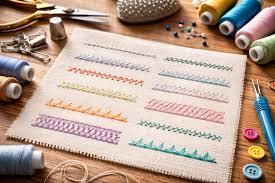
In the world of sewing, garment manufacturing, and textile engineering, understanding nahttypen is essential for achieving durability, comfort, and professional finishing. The German term translates to “types of seams,” and it refers to the various methods used to join two or more pieces of fabric together. Each seam type serves a specific structural and aesthetic purpose, depending on the fabric, garment design, and required strength.
Whether in fashion design, upholstery, technical textiles, or industrial fabric production, choosing the correct nahttypen can determine the longevity and functionality of a product. This detailed guide explores the most important seam types, their applications, advantages, and how they influence modern textile construction.
What Are Nahttypen?
The term nahttypen describes the classification of seam constructions used in sewing and textile assembly. Seams are not just simple stitches that hold fabric together; they are structural components that impact flexibility, durability, and appearance.
Different fabrics behave differently under stress, stretching, washing, and environmental exposure. Therefore, selecting the right ensures that the finished item performs well under its intended conditions.
Seam types vary based on:
- Stitching technique
- Fabric overlap or alignment
- Reinforcement method
- Finishing style
- Purpose (decorative or structural)
Main Categories of Nahttypen
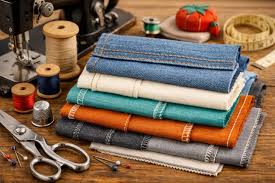
There are several fundamental categories of nahttypen used in garment and textile production. Each type is suited for particular materials and applications.
1. Plain Seam (Einfache Naht)
The plain seam is the most basic and widely used seam type. Two pieces of fabric are placed right sides together and stitched along the edge.
Applications:
- Everyday clothing
- Lightweight fabrics
- Interior seams
Advantages:
- Simple to sew
- Quick construction
- Suitable for most woven fabrics
However, plain seams may require finishing (such as zigzag stitching or overlocking) to prevent fraying.
2. French Seam (Französische Naht)
The French seam encloses raw edges inside a second seam, creating a clean and polished interior finish.
Applications:
- Sheer fabrics
- Delicate garments
- Lingerie and blouses
This type of nahttypen is ideal when appearance and comfort are priorities, as it prevents raw edges from touching the skin.
3. Flat-Felled Seam (Kappnaht)
Often seen in denim jeans, flat-felled seams are extremely strong and durable. The seam allowances are folded and stitched down flat.
Applications:
- Jeans
- Workwear
- Sportswear
- Heavy-duty garments
This seam type provides excellent reinforcement and a neat finish on both sides of the fabric.
4. Lapped Seam (Überlappungsnaht)
In a lapped seam, one fabric piece overlaps another and is stitched down. It is often used in leatherwork and non-fraying materials.
Applications:
- Leather jackets
- Upholstery
- Technical textiles
This version of nahttypen eliminates bulk from folded seam allowances and provides a strong connection.
5. Bound Seam (Eingefasste Naht)
A bound seam encloses raw edges with binding tape or fabric strips.
Applications:
- Unlined jackets
- Decorative interiors
- High-end fashion garments
It enhances durability while adding a decorative element.
6. Taped Seam (Versiegelte Naht)
Common in waterproof clothing, taped seams are sealed with adhesive tape to prevent moisture penetration.
Applications:
- Raincoats
- Outdoor gear
- Performance apparel
This specialized nahttypen ensures water resistance and improved performance in harsh weather conditions.
Functional Importance of Nahttypen
Understanding nahttypen is crucial not just for fashion designers but also for engineers working in automotive textiles, medical garments, and aerospace materials. Seams must withstand tension, friction, washing cycles, and environmental stress.
The function of a seam influences:
- Garment fit and flexibility
- Structural integrity
- Comfort and wearability
- Resistance to tearing
- Water or air tightness
For example, athletic wear often requires stretch-compatible seam types, while industrial protective clothing demands reinforced seam structures.
Decorative vs Structural Nahttypen
Seams can be purely structural or serve decorative purposes.
Structural Seams
These are responsible for holding the garment together and ensuring durability.
Decorative Seams
These include topstitching, piping seams, and contrast stitching that enhance the garment’s visual appeal.
Many modern designers combine structural and decorative elements within a single nahttypen to achieve both durability and aesthetics.
Nahttypen in Industrial Manufacturing
In mass production environments, seam selection directly affects production efficiency and cost. Automated sewing machines are programmed for specific seam types, optimizing speed and consistency.
Industrial considerations include:
- Fabric thickness
- Production time
- Machinery compatibility
- Labor skill level
- Quality control standards
Certain nahttypen are easier to automate, while others require specialized machinery or skilled manual handling.
Seam Finishing Techniques
To complement various nahttypen, seam finishes are applied to prevent fraying and increase durability. Common finishing methods include:
- Overlocking (serging)
- Zigzag stitching
- Pinked edges
- Binding
- Seam sealing
The chosen finish depends on fabric type and intended use.
Choosing the Right Nahttypen for Your Project
Selecting appropriate nahttypen requires evaluating several factors:
- Fabric Type – Woven, knit, leather, or synthetic?
- Garment Purpose – Casual wear, formal attire, sportswear, or industrial use?
- Stress Points – Areas like shoulders and inseams require reinforcement.
- Comfort – Some seam types reduce irritation against the skin.
- Appearance – Is the seam visible or hidden?
For example, delicate silk garments benefit from enclosed seam constructions, while heavy denim demands reinforced seams for longevity.
Modern Innovations in Nahttypen
Advancements in textile technology have introduced new seam solutions:
- Laser-bonded seams
- Ultrasonic welding for synthetic fabrics
- Seamless knitting technologies
- Heat-sealed athletic wear
These innovations reduce bulk and improve performance while maintaining structural integrity.
In high-performance apparel, seamless construction reduces chafing and enhances mobility — showing how traditional nahttypen continue to evolve with technology.
Sustainability and Seam Construction
Sustainable fashion has also influenced seam choices. Efficient seam construction reduces fabric waste and extends garment lifespan. Durable seam types prevent premature disposal, contributing to environmentally responsible manufacturing.
Designers now evaluate nahttypen not only for function but also for sustainability impact.
Conclusion
Understanding nahttypen is fundamental to successful textile construction, whether in fashion design, upholstery, or industrial manufacturing. From basic plain seams to advanced sealed constructions, each seam type serves a specific structural and aesthetic function.
Choosing the correct seam ensures durability, comfort, and professional quality. As textile technology continues to advance, traditional seam methods are evolving, blending craftsmanship with innovation.
Ultimately, mastering nahttypen allows designers and manufacturers to create garments and products that are not only visually appealing but also structurally sound and fit for purpose.
