

Modern architecture constantly evolves to create spaces that are both functional and visually appealing. One concept that has gained attention in architectural and structural design discussions is ponadiza. Although the term may not be widely recognized outside professional circles, the idea behind it plays an important role in many modern buildings and structures.
From floating staircases to extended balconies, ponadiza helps architects and engineers design structures that maximize space while maintaining strength and stability. Understanding how this concept works can offer valuable insight into modern construction techniques and design innovation.
What Is Ponadiza?
Ponadiza refers to a structural projection method used in construction where a portion of a structure extends outward without visible vertical support beneath it. Instead of relying on columns or posts, the load is transferred back into the main building structure.
In practical terms, this means that parts of a building can appear to “float” while still being structurally secure. The principle behind ponadiza is closely related to cantilever design, where beams or slabs are anchored on one side and extend outward to support weight.
Architects often use this technique to create modern, clean designs that open up space beneath the extended area. As a result, it has become increasingly common in residential homes, commercial buildings, and urban developments.
How Ponadiza Works in Structural Design
The effectiveness of ponadiza depends on careful engineering and load distribution. When a structure extends outward without vertical support, the internal framework must absorb and redistribute the weight.
Several key factors influence how a ponadiza structure functions:
Load Distribution
Engineers calculate the weight that the projection must support, including the structure itself, furniture, people, and environmental loads such as wind or snow. This load is then transferred back into the main structural frame.
Anchoring Systems
A strong anchoring system is essential for stability. The projecting element is embedded deeply within the primary structure, allowing it to counterbalance the outward weight.
Structural Balance
The balance between extension length and internal support determines how far a projection can safely extend. Exceeding safe limits can compromise the structural integrity of the building.
When properly designed, this system allows for safe and durable architectural projections without the need for traditional support columns.
Common Applications of Ponadiza
Although many people are unfamiliar with the term, the concept of is widely used in everyday architecture. Several common building elements rely on this structural technique.
Balconies
Balconies are one of the most recognizable examples. Many modern balconies extend outward from the building without visible support columns below.
Floating Staircases
Floating staircases use the principle of ponadiza to create steps that appear suspended in the air. Each step is anchored into a wall or structural beam, eliminating the need for additional support underneath.
Roof Overhangs
Roof overhangs protect buildings from rain and sunlight while adding visual depth to architectural design. Ponadiza allows these extensions to project outward cleanly without cluttering the space below.
Shelving and Interior Elements
Inside homes and offices, floating shelves, desks, and counters often use the same structural principle to create minimalist and modern interiors.
Materials Commonly Used in Ponadiza Construction
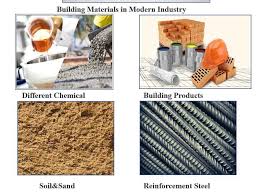
The materials used in ponadiza structures must be strong enough to handle bending forces and long-term stress. Engineers typically select materials that combine durability with structural strength.
Steel
Steel is widely used because of its high tensile strength. It can support heavy loads while maintaining structural stability over long spans.
Reinforced Concrete
Reinforced concrete is another common material in structural projections. The embedded steel reinforcement helps the concrete resist tension and compression forces.
Engineered Wood
In residential construction, engineered wood products can provide both strength and aesthetic appeal. Laminated timber beams are often used for interior applications such as floating staircases or shelves.
The choice of material depends on the project’s scale, design goals, and local building regulations.
Advantages of Using Ponadiza in Architecture
Architects and designers appreciate ponadiza because it offers several practical and aesthetic benefits.
Efficient Use of Space
By eliminating vertical supports, the space beneath projections remains open and usable. This is particularly valuable in urban environments where space is limited.
Modern Aesthetic Appeal
Clean lines and floating elements contribute to a minimalist architectural style. This design approach is widely associated with contemporary architecture.
Structural Efficiency
When engineered correctly, a ponadiza structure can support weight effectively while using fewer visible materials than traditional support systems.
Increased Design Flexibility
Architects gain greater freedom to experiment with shapes, layouts, and building forms when using projection-based structural techniques.
Potential Challenges and Limitations
Despite its advantages, designing with requires careful planning and expertise. Several challenges must be addressed during construction.
Accurate Engineering Calculations
Structural projections demand precise load calculations. Errors in weight distribution or structural analysis can lead to instability.
Building Code Compliance
Different regions have building codes that regulate how far projections can extend and how they must be reinforced. Compliance with these rules is essential for safety.
Material Selection
Using unsuitable materials can weaken the structure over time. Engineers must ensure that chosen materials can withstand environmental factors and long-term stress.
Because of these challenges, projects involving ponadiza typically require collaboration between architects, structural engineers, and construction professionals.
The Role of Ponadiza in Sustainable Design
Sustainability has become a major priority in modern architecture. Interestingly, the structural efficiency of ponadiza can support environmentally responsible design.
By minimizing unnecessary support elements, buildings can reduce material consumption. This not only lowers construction costs but also decreases the environmental impact of building materials.
Additionally, overhangs created through ponadiza can provide shade and help regulate indoor temperatures. This passive cooling effect can reduce the need for energy-intensive air conditioning systems.
When combined with modern materials and energy-efficient building strategies, the concept contributes to smarter and more sustainable construction.
Future Trends in Ponadiza-Based Architecture
Architectural trends continue to push the boundaries of design and engineering. As construction technology advances, the applications of ponadiza are expanding.
Several developments are shaping its future use:
Advanced materials such as high-performance composites
Improved structural modeling software for precise calculations
Integration with smart building technologies
Creative architectural designs emphasizing open space
These innovations are allowing architects to design larger and more dramatic projections while maintaining safety and structural integrity.
As cities become denser and design expectations rise, projection-based structures like those using ponadiza are likely to become even more common.
Conclusion
Ponadiza represents an important structural concept in modern architecture. By allowing parts of a building to extend outward without visible support, it enables architects to create designs that are both functional and visually striking.
From balconies and staircases to roof overhangs and interior features, the applications of this technique are widespread. When carefully engineered and constructed with the right materials, it provides an efficient, durable, and aesthetically pleasing solution for many architectural challenges.
As construction technology continues to evolve, the role of ponadiza in shaping modern buildings will likely expand, contributing to innovative designs and more efficient use of space.
What does ponadiza mean in construction?
Ponadiza refers to a structural projection technique in which a part of a building extends outward without vertical support underneath. The weight of the projection is transferred back into the main structure through internal beams or reinforced elements.
Where is ponadiza commonly used?
Ponadiza is commonly used in architectural features such as balconies, roof overhangs, floating staircases, and modern shelving systems. These elements extend outward while maintaining structural stability.
What materials are typically used in ponadiza structures?
Common materials include steel, reinforced concrete, and engineered wood. These materials are chosen because they can withstand bending forces and support significant loads.
Is ponadiza safe in building design?
Yes, when designed and engineered properly. Structural engineers perform detailed calculations to ensure the projection can safely support its intended weight and comply with building codes.
Why do architects prefer using ponadiza?
Architects often prefer ponadiza because it creates clean, modern designs while maximizing usable space. It allows structures to extend outward without adding columns or supports that would block the area below.
