
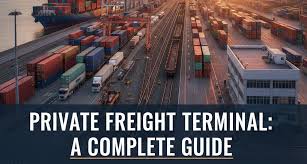
In today’s complex supply chain, the efficient movement of goods is a necessity — not a luxury. One of the most strategic assets businesses employ to gain an edge in logistical operations is the private freight terminal. These facilities are transforming how companies manage cargo, streamline operations, and reduce costs. Unlike public freight terminals that serve numerous companies and handle general traffic, a private freight terminal is dedicated to a specific business or consortium, giving its operators greater control and efficiency in handling freight.
This article explores what a private freight terminal is, how it functions, its advantages, industry applications, economic impact, and emerging trends shaping its future in global logistics.
What Is a Private Freight Terminal?
A private freight terminal is a logistics facility owned and operated by a specific company, group of companies, or industry partner network. In contrast to public terminals — which are shared by various carriers and often managed by port authorities or third‑party operators — a private freight terminal is dedicated to a single organization’s transportation needs.
These terminals handle the loading, unloading, staging, storage, and transfer of freight between different modes of transport, including trucks, railcars, barges, or even aircraft. Because the terminal serves a single business or group, it can be tailored to meet precise operational needs, often resulting in faster turnaround times and lower handling costs.
Core Components of a Private Freight Terminal
Understanding the architecture of a helps clarify its strategic importance. A typical facility includes:
- Dock and Rail Access
- Multiple docks designed for truck or rail loading, sometimes with direct siding access for freight trains.
- Storage Yards and Warehouses
- Secure areas for short‑term storage, container depots, refrigerated storage, or general pallet storage.
- Handling Equipment
- Cranes, forklifts, reach stackers, and automated guided vehicles (AGVs) equipped to manage freight efficiently.
- Security and Compliance Infrastructure
- Surveillance systems, access controls, and customs compliance zones where necessary.
- IT and Tracking Systems
- Warehouse Management Systems (WMS), Transportation Management Systems (TMS), and real‑time tracking interfaces to optimize operations.
This combination of infrastructure and technology enables companies operating a to have direct oversight of freight flow from origin to destination.
Key Advantages of a Private Freight Terminal
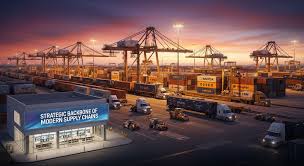
There are a number of compelling reasons major manufacturers, distributors, and logistics networks invest in private freight terminals:
1. Operational Control and Predictability
A private freight terminal enables a company to dictate operational priorities, handling protocols, and scheduling. This leads to less congestion, fewer delays, and a more predictable freight movement schedule.
2. Cost Efficiency
By managing its own terminal, a company can reduce or eliminate terminal handling charges, demurrage fees, and third‑party costs that typically accrue at public terminals. Over time, these savings can significantly improve overall supply chain economics.
3. Customization
Unlike shared facilities, a private freight terminal can be designed around the specific cargo types it handles — from oversized industrial equipment to temperature‑sensitive goods such as pharmaceuticals or perishables.
4. Enhanced Security
Because access is restricted and operations are internally controlled, a private freight terminal often benefits from tighter security measures, reducing risks of theft, tampering, or unauthorized access.
5. Integrated Technology
Terminal operators can build real‑time visibility platforms and analytics tailored to their supply chain destination data streams. This level of customization can enhance forecasting, network planning, and performance measurement.
Who Uses Private Freight Terminals?
A variety of industries leverage private freight terminals in diverse ways, depending on their operational needs:
Manufacturing and Automotive
Manufacturers that move high volumes of parts and finished goods often establish private freight terminals near plants or assembly lines. This ensures timely deliveries of critical components and supports just‑in‑time (JIT) manufacturing strategies.
Retail and E-Commerce
Large retailers with centralized distribution networks use private freight terminals to manage import traffic and regional distribution more efficiently. This helps reduce stockouts and optimize replenishment cycles.
Agriculture and Food Processing
Food processors and agricultural exporters use private freight terminals equipped with refrigeration and cold storage to preserve product integrity before export or interstate shipment.
Energy and Heavy Equipment
Industries like oil and gas, mining, and large equipment manufacturing often rely on private freight terminals for handling oversized cargo, heavy machinery, or specialized components that require custom infrastructure.
Economic and Strategic Impact
On a macroeconomic level, a private freight terminal can have significant regional and industry impacts:
Enhanced Competitiveness
Companies with their own terminals are better positioned to respond to market fluctuations, supply disruptions, or seasonal peaks — often delivering faster and at lower cost than competitors.
Local Job Creation
Operating a terminal generally involves employment opportunities in handling, maintenance, security, and technical management, which can boost local labor markets.
Supply Chain Resilience
By shifting control from third‑party logistics operators to in‑house management, firms using a private freight terminal reduce dependencies and build resilience into their supply networks.
Challenges and Considerations

Despite the advantages, building and operating a private freight terminal isn’t without challenges:
High Initial Investment
Developing terminal infrastructure requires substantial capital outlay for land acquisition, construction, equipment, and technological systems.
Regulatory Compliance
Terminals must adhere to safety, environmental, and customs regulations, which can vary by region and mode of transport.
Maintenance and Scale
Ongoing maintenance, staffing, training, and technology upgrades are essential to keeping operations efficient.
Market Shifts
As supply chains evolve with nearshoring or reshoring trends, terminal requirements may shift, meaning initial investments might require future reconfiguration.
The Future of Private Freight Terminals
As digital transformation accelerates across the logistics sector, the evolution of a private freight terminal will likely include:
Automation and Robotics
Use of automated cranes, driverless yard tractors, and robotic sortation systems can reduce labor costs and increase throughput.
Real‑Time Data and AI
Artificial intelligence can optimize yard planning, predict congestion, and automate sequencing of freight movements.
Green Logistics
Energy‑efficient facilities, solar‑powered infrastructure, and electric handling equipment will become standard as sustainability becomes an operational priority.
Multimodal Integration
Future terminals will increasingly serve seamless integration between rail, road, and inland waterways, supporting environmentally efficient freight corridors.
Conclusion
A private freight terminal is more than just a warehouse or a shipping yard — it represents a strategic investment in supply chain control, operational efficiency, and competitive advantage. By integrating infrastructure, technology, and tailored processes, companies can significantly improve their freight handling performance and resilience.
The rise of these terminals reflects a larger trend in logistics and supply chain management: businesses are increasingly seeking to own critical parts of their operational ecosystem to reduce risk, optimize costs, and gain strategic control over the flow of goods.
As global trade continues to expand and supply chains become more complex, the role of the private freight terminal will continue to grow — not just as a functional asset, but as a central node in the next generation of efficient, resilient, and adaptable logistics networks.
Frequently Asked Questions (FAQs)
1. What is a private freight terminal?
A private freight terminal is a logistics facility dedicated to the transport and handling needs of a specific company or business group, offering greater control than public terminals.
2. How does a private freight terminal improve supply chain efficiency?
By reducing dependence on external operators, enabling customized handling processes, and providing direct oversight of cargo flow.
3. Who typically uses private freight terminals?
Manufacturers, retailers, agricultural exporters, and heavy equipment industries often operate or lease their own terminals.
4. What are the main challenges of operating a private freight terminal?
High capital investment, regulatory compliance, ongoing maintenance, and evolving market requirements.
5. How is technology shaping the future of private freight terminals?
Automation, AI, sustainability initiatives, and multimodal integration are key trends transforming how these facilities operate.
