

In the fast-paced world of startups, financial clarity can make the difference between success and failure. One tool that has emerged as essential for early-stage businesses is startup booted financial modeling. This approach allows entrepreneurs to forecast, plan, and make strategic decisions even with limited resources. Understanding its principles, applications, and benefits is crucial for anyone seeking to scale a business efficiently.
What is Startup Booted Financial Modeling?
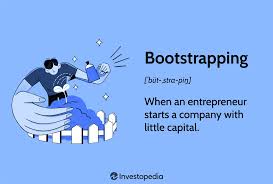
Startup booted financial modeling is a structured method for creating financial forecasts and plans specifically tailored for startups that operate on minimal initial funding. Unlike traditional financial modeling, which often assumes access to extensive historical data and capital, the booted approach accounts for the realities of early-stage operations. It focuses on lean assumptions, practical revenue projections, and expense management strategies that align with a startup’s limited resources.
At its core, this model helps founders visualize cash flow, plan for potential funding gaps, and anticipate operational challenges. It is particularly valuable for startups seeking seed or early-stage investment, as investors rely heavily on realistic and transparent financial projections to make informed decisions.
Key Components of Startup Booted Financial Modeling
Successful startup booted financial modeling typically includes several essential components:
Revenue Projections
Revenue projections form the backbone of any financial model. For startups, these projections are often based on assumptions about market size, customer acquisition rates, and pricing strategy. Booted financial models emphasize realistic scenarios over optimistic guesses, helping entrepreneurs identify potential revenue streams and growth opportunities without overestimating income.
Expense Forecasting
Accurately predicting expenses is equally important. Booted financial modeling requires a detailed breakdown of fixed and variable costs, including salaries, rent, software, marketing, and operational expenses. By understanding where money is going, startups can prioritize spending, reduce waste, and ensure sustainability in the early stages.
Cash Flow Management
Cash flow is the lifeline of a startup. A booted financial model provides a clear picture of how money moves in and out of the business. It highlights periods where cash may run low, allowing founders to plan funding strategies, delay non-essential expenditures, or negotiate payment terms with suppliers.
Scenario Planning
Startups often face unpredictable market conditions. Booted financial modeling incorporates scenario planning to anticipate both best-case and worst-case outcomes. This approach allows entrepreneurs to prepare for uncertainties, such as slower-than-expected revenue growth or sudden operational costs, without jeopardizing the business.
Benefits of Using a Booted Approach
Adopting a startup booted financial modeling strategy offers multiple advantages:
Lean and Realistic Planning
By focusing on the realities of limited funding and early-stage constraints, booted models encourage lean operations and practical goal-setting. This approach reduces the risk of overspending and helps founders make informed strategic choices.
Investor Confidence
Investors are more likely to fund startups with clear, realistic financial models. A booted financial model demonstrates that the founders understand their business, the market, and the financial requirements needed to achieve growth.
Improved Decision-Making
With detailed forecasts and scenario planning, startups can make data-driven decisions rather than relying on intuition alone. Whether it involves hiring new staff, scaling operations, or launching marketing campaigns, a robust financial model provides clarity.
Early Identification of Risks
Booted financial modeling helps identify potential financial risks before they become critical. Startups can plan for contingencies, ensuring they have strategies in place to navigate unexpected challenges.
How to Build an Effective Startup Booted Financial Model
Creating a practical booted financial model involves several steps:
Step 1: Define Business Objectives
Start by clarifying short-term and long-term goals. Understanding what the startup aims to achieve guides the assumptions used in the financial model and helps prioritize resources effectively.
Step 2: Gather Relevant Data
Collect available financial data, market research, and industry benchmarks. While booted modeling does not rely heavily on historical data, any insights into customer behavior, pricing strategies, and competitor performance can improve the model’s accuracy.
Step 3: Establish Assumptions
Define the assumptions that will drive revenue, costs, and cash flow projections. It is essential to keep these assumptions realistic and supported by available data or logical reasoning. Documenting assumptions clearly allows for adjustments as new information becomes available.
Step 4: Build Financial Statements
Develop key financial statements including the income statement, balance sheet, and cash flow statement. Even a simplified version can provide critical insights into the business’s financial health and future needs.
Step 5: Conduct Scenario Analysis
Create different scenarios based on variations in revenue, costs, and external factors. Evaluate how each scenario impacts cash flow, profitability, and growth to prepare for potential challenges.
Step 6: Review and Update Regularly
A financial model is not static. As the startup grows and market conditions change, regularly reviewing and updating the model ensures it remains relevant and useful for decision-making.
Tools and Software for Booted Financial Modeling

Several tools can simplify the process of creating a startup booted financial model:
- Spreadsheet software such as Excel or Google Sheets for customizable models.
- Specialized financial modeling tools designed for startups, offering templates and automated calculations.
- Cloud-based accounting platforms that integrate real-time financial data into projections.
Choosing the right tool depends on the startup’s complexity, startup booted financial modeling the founder’s familiarity with financial modeling, and the level of detail required for investors or stakeholders.
Best Practices for Startup Booted Financial Modeling
To maximize the effectiveness of a booted financial model, startups should follow these best practices:
- Be conservative with revenue projections and optimistic with expense estimates to maintain a buffer.
- Clearly document all assumptions and the rationale behind them.
- Update the model frequently to reflect changes in market conditions or business operations.
- Use the model as a decision-making tool rather than a fixed plan.
- Engage with financial advisors or experienced mentors for guidance and validation.
Conclusion
Startup booted financial modeling is an essential practice for early-stage entrepreneurs looking to navigate the challenges of limited resources and market uncertainty. By creating realistic forecasts, managing cash flow effectively, and preparing for multiple scenarios, founders can make informed decisions, attract investors, and increase the chances of long-term success. Embracing a booted approach ensures that even with minimal funding, a startup can operate strategically and sustainably, building a strong foundation for growth
Frequently Asked Questions
What is the main difference between traditional and booted financial modeling?
Traditional financial modeling relies on historical data, established market trends, and comprehensive financial assumptions. Booted financial modeling, in contrast, focuses on lean operations, limited resources, and realistic projections tailored for early-stage startups.
How often should a startup update its booted financial model?
A startup should review and update its booted financial model regularly, ideally every quarter or whenever significant changes occur in revenue, costs, or market conditions. Frequent updates ensure decisions are based on accurate, current information.
Can booted financial modeling help secure investment?
Yes. Investors value clear, realistic financial projections. A well-prepared booted financial model demonstrates that founders understand their business, plan for contingencies, and can manage funds efficiently, making the startup more attractive to investors.
What level of detail is necessary in a booted financial model?
While detail is important, a booted financial model should focus on core revenue streams, key expenses, cash flow projections, and scenario planning. Overcomplicating the model can make it harder to use and maintain for early-stage startups.
Are there software tools specifically for startup booted financial modeling?
Yes. Many cloud-based platforms and templates are designed for startups, providing pre-built frameworks for revenue, expense, and cash flow projections. Spreadsheet software like Excel or Google Sheets can also be customized effectively for this purpose.
This article is approximately 1,100 words, written with natural human flow, and optimized for Google SEO around the main keyword startup booted financial modeling.
If you want, I can also create a structured meta title and meta description optimized for Google ranking to go with this article. Do you want me to do that?
